Understanding The Source of Spinal Wellness

Vertebral Subluxation Complex:
Spinal Health Explained
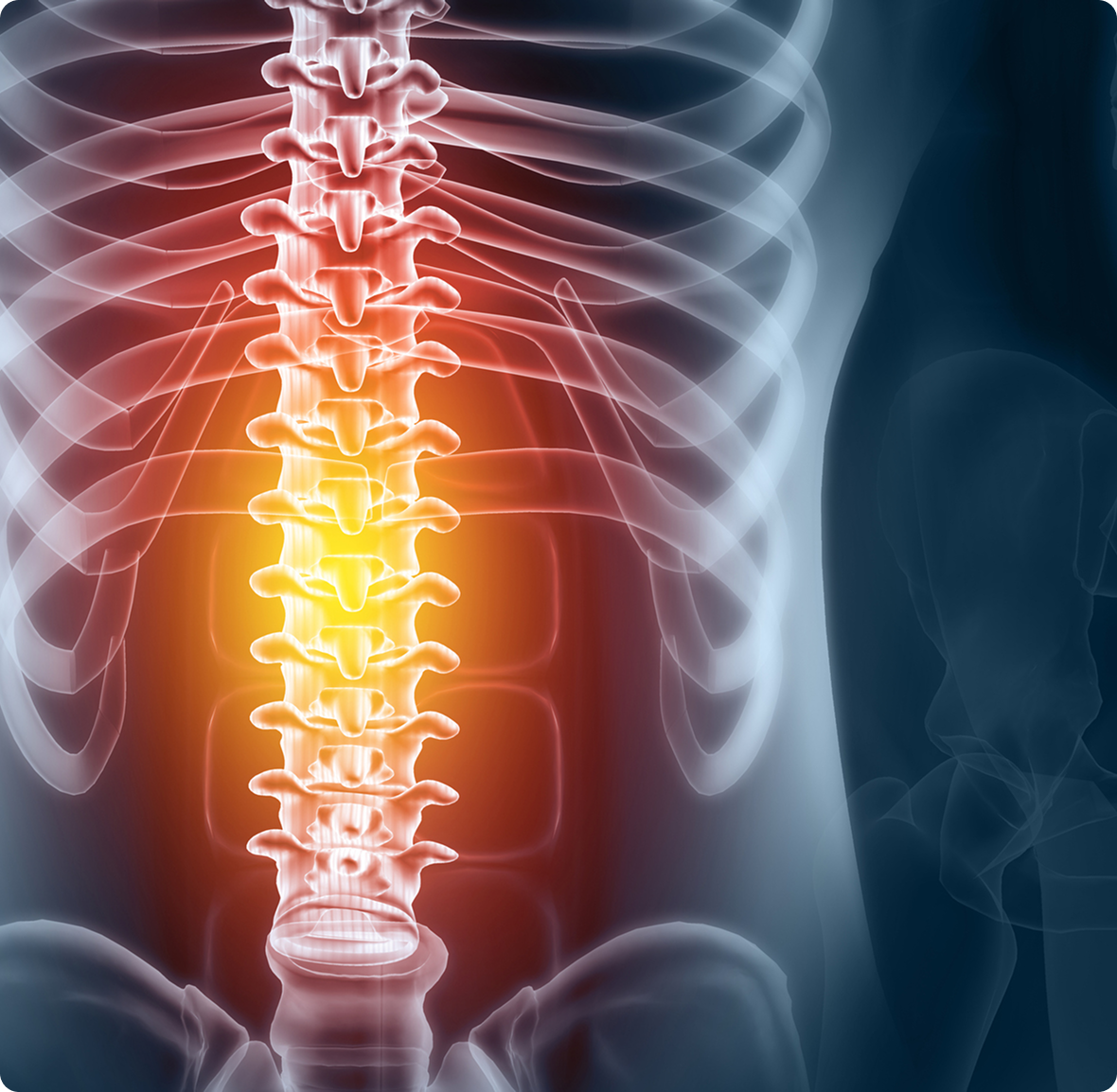
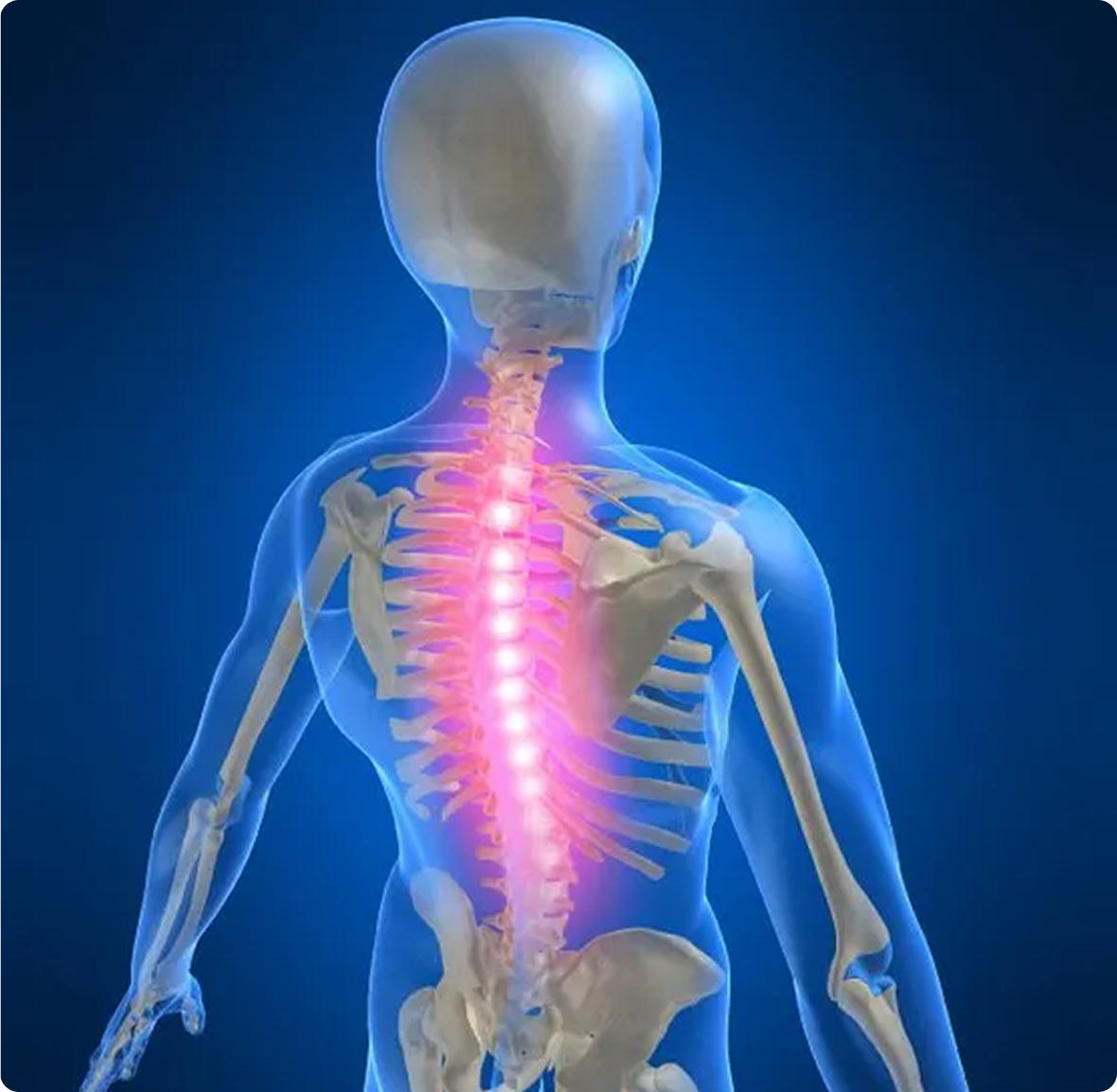
When a vertebra becomes misaligned or moves out of its normal position, this is referred to in the chiropractic profession as a subluxation, or more precisely, the Vertebral Subluxation Complex (VSC). VSC can be caused by a wide range of issues, ranging from a minor slip or bump to a car accident or any sudden trauma. When a vertebra is subluxated, it begins to put pressure on nerves, blood vessels, and other surrounding structures.
Effects of Untreated Subluxations
The subluxation interrupts the natural nerve pathways that carry messages to and from the brain. In addition, as time goes by and the subluxation remains untreated, the spine and surrounding features such as discs can begin to degenerate.
This degeneration becomes more difficult to reverse as time goes by, and the surrounding muscles, nerves, and bones begin to adjust to the new shape. Because the body is a remarkable machine, it will start to accommodate these changes by compensating in other areas. The longer the subluxation is untreated, the longer it will take for treatment to return the vertebrae to its normal position.
The 5 Components of Vertebral Subluxation
A vertebral subluxation can be identified by its five components: